
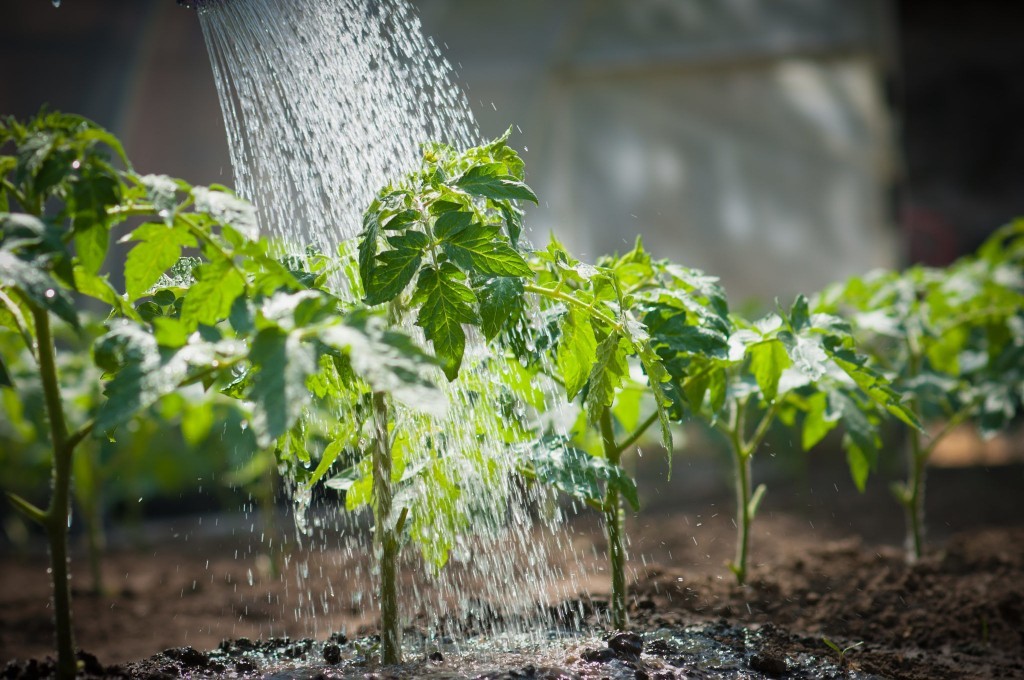
Now that the dog days of summer are upon us, keep your garden looking beautiful with a little bit of tender loving care. During July and August, the key to a thriving, sustainable garden is maintenance.
Not enough can be said about the importance of watering, weeding, pruning and monitoring your garden every few days. Mornings are the best time to weed and water in the heat of the summer since evaporation is low and the soil can absorb water before the sun heats up your plants, veggies and flowers.
Vegetables Tips
- Tomatoes, eggplant and peppers planted in the ground require 1 inch of water per week; keep thick organic mulch around plants to maintain moisture.
- Potted tomatoes, peppers and eggplant should be watered every day.
- Fertilize tomatoes when first buds appear with slow-release, low-nitrogen, high-phosphate fertilizer.
- Yellowing of the bottom tomato leaves, is a sign of early blight. Remove those leaves with scissors.
- Sow squash and cucumbers directly into the soil or a container in early July; a crop can be harvested in 35 to 45 days.
- Heat-tolerant greens such as Swiss chard, Malabar spinach and some lettuces can be sown. Use a shade cloth for best results.
Lawn Care Tips:
- Make sure your mower blade is sharp and high as taller grass grows deeper and healthier roots.
- Don’t fertilize established fescue turf. Fescue turf goes dormant in July and August, so there’s no need to water.
- Zoysia and Bermuda turf are fertilized in July with a high-nitrogen, zero-phosphate fertilizer.
- Water your lawn between 6 and 10 a.m. because less moisture is lost to evaporation and your lawn will dry before nightfall.
Pruning Tips:
- Immediately after flowering, most shrubs can be pruned to a desired height. Don’t wait too long; bud set forms within a month or two.
- Lacecap and Hortensia (pompom) hydrangeas flower on second-year growth.
- Prune dead and fading flower heads and old cane; new growth stems will yield next year’s flowering.
Annuals & Perennials Tips:
Many perennials, such as yarrow and salvia, can be cut back by “deadheading” (removing) spent flowers (by pinching or cutting stems) to encourage re-blooming. Dead-head spent annuals like zinnias, petunias and marigolds. Pinch out flower buds of late blooming perennials like asters, mums and other fall bloomers to keep plants bushy and prevent early flowering.
Bug Tips:
At some time, every gardener is faced with an insect problem. Don’t fall prey to your first instinct to run out and buy an insecticide. Identification of the insect is the key to knowing whether treatment is necessary. “Mac’s Field Guide: Bad Garden Bugs of the Northeast” (Mountaineers Books), a two-sided laminated guide that sells for $6, is a great resource for insect identification.
As soon as you identify the offending insect, select the least toxic preparation to avoid harming favorite pollinators like butterflies, bees and other beneficial insects.
Rebecca Brown began her career as a horticulturist over 25 years ago and studied at the New York Botanical Gardens. She has been a University of Maryland Extension Baltimore County Master Gardener for three years and is a backyard beekeeper.
Norman Cohen is a retired chemist. He has been gardening for 38 years and has been a University of Maryland Extension Baltimore County Master Gardener for nine years. Cohen also provides gardening education to the public at local farmers markets.

The BCO, founded in 1984, will perform the works of Frank Zappa, Beethoven, Mason Bates and Karena Ingram.

Led by local Israel-American cellist Amit Peled, the Mount Vernon Virtuosi aims to inspire people beyond musical enjoyment.
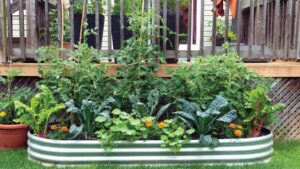
Container vegetable gardening is a terrific option for people with limited space and/or time. Rebecca Brown and Norman Cohen share some tips.

Filmmaker Justin Schein looks at wealth and inequality through the very real story of his late father.