
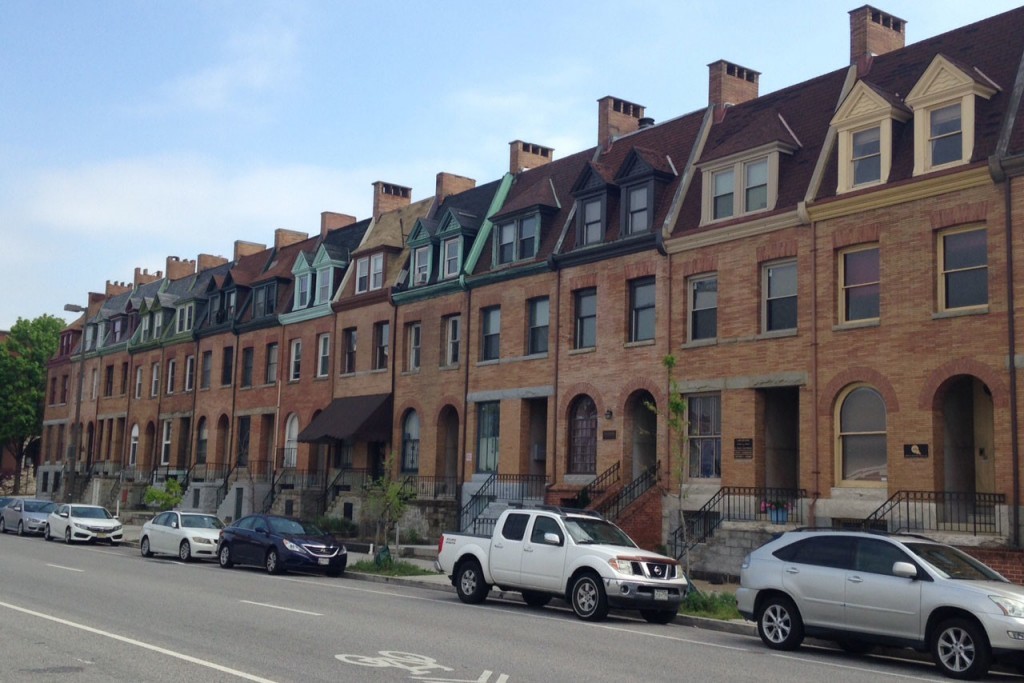
Throughout history, cities have been the place to live. The wealthy and elite chose stately homes inside the cities of Europe and later the U.S. The merchants and the working class occupied rings around those neighborhoods. In the 1950s, with the onset of the automobile society and cheap gasoline, the suburbs became the desired locations.
Now, the tide has turned. For the past 20 years, young adults have chosen to live in Baltimore City. They move there in search of a convenient social setting, nice restaurants, the bustle of the city, and access to transportation. Neighborhoods like Canton, Fells Point and Federal Hill have thrived. As these young folks get older and decide to raise families, many are staying and making the city their permanent home.
Young Jews are part of this trend. My middle son, an immigration lawyer, has moved from Federal Hill to Canton over the past few years. He works downtown and lives nearby. While he may be less committed to a synagogue, he maintains his Jewish identity and has been involved in Jewish social justice organizations.
In our August issue, we focus on Jewish communal groups that have directed their focus on Jews not living in the “traditional” Jewish neighborhoods. We commend this effort and are pleased to expose the entire community to the magnificent work those groups are doing. It would be a shame to lose touch with the thousands of young Jewish adults living in downtown Baltimore. Three cheers to The Associated for its encouragement and funding of many of the communal outreach efforts.
Moving on to other Baltimore City matters, you may have read about the death of Julius, the newborn giraffe at the Maryland Zoo in Baltimore. It’s sad that Julius didn’t survive, but be aware that the zoo staff made a herculean effort to save the little guy. In the wild, Julius wouldn’t have survived more than a day or two. The zoo staff, aided by other zoos all over the country, attended to him 24/7 and provided amazing veterinary care. Dozens of staff members were involved. The amazing staff at the zoo have saved many animals over the years with maladies that would have killed them otherwise. Animals in modern zoos typically live twice as long as those in the wild.
By the way, if you haven’t been to the Maryland Zoo in a while, go there this weekend. Under the direction of Don Hutchinson, the zoo has become one of the best in the country. Gone are the old cages and uphill trek. Today’s zoo is a wonderful combination of natural habitats, educational opportunities and pure entertainment. No child should go a summer without a zoo visit. It is simply one of the great family bargains of Baltimore.
Enjoy the beautiful days of summer.
Scott Rifkin, MD, Publisher
Also see: Planting Seeds in the City

Jmore Publisher Scott Rifkin, M.D., reacts to President Donald Trump's latest poll numbers and the real force behind the growing decline of the Trump movement.

In honor of Jmore's "Aging Gratefully" issue, Jmore Publisher Scott Rifkin, M.D., reflects on aging and approaching retirement as part of the Baby Boomer generation.

Traditional family dishes are remembrances of the ones we love and those we have lost, writes Jmore Publisher Scott Rifkin, M.D.

Jmore Publisher Scott Rifkin, M.D., explains why he found hope in how the public responded after Jimmy Kimmel's recent suspension.