
Vividly, I recall the moment I stepped off the plane last June and onto the tarmac at Kigali International Airport. The air was thick and humid in the Rwandan capital, smelling of jasmine. Bodies were pressed together as we headed to the visa center, where the air conditioning was weak and the lines were long.
Still, there were cries of Karibu! — Welcome!
Working for a film institute, I came to the central-east African country for the 13th annual Rwanda Film Festival and decided to stay for six months. The festival brings together local and international artists for a week in the fall with free screenings in Rwanda’s cities and rural villages.
During my time in Rwanda — best known, tragically, for its 1994 genocide in which an estimated 500,000 to 1 million Rwandans died — I drove motorcycles through the hills, drank Rwandan coffee in the mornings and dark beer in the evenings, and ate endless plates of rice and beans.
A trip to Rwanda is more important now than ever before. The country is incredibly beautiful and inspiring, well worth the long plane ride.
Despite their tragic past, Rwandans choose to remember and forgive. Memorials to the victims can be found throughout Kigali and across the rural areas. The month of April, which marked the beginning of the 100-day genocide, is dedicated to reflection and remembrance.
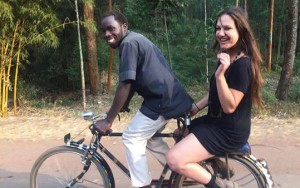
The best way to get from place to place in Rwanda is by motorcycle taxi. You’ll go whizzing through traffic and up and down Kigali’s many scenic hills. It’s most beautiful at night when all of the lights of the city look like tiny stars. Be sure to download and use SafeMotos to ensure that your driver is properly certified.
In addition, Kigali has an excellent bus system that will take you to many of the rural regions. If you’re ever lost, locals are quite welcoming and willing to help. Cabs also are abundant and relatively cheap.
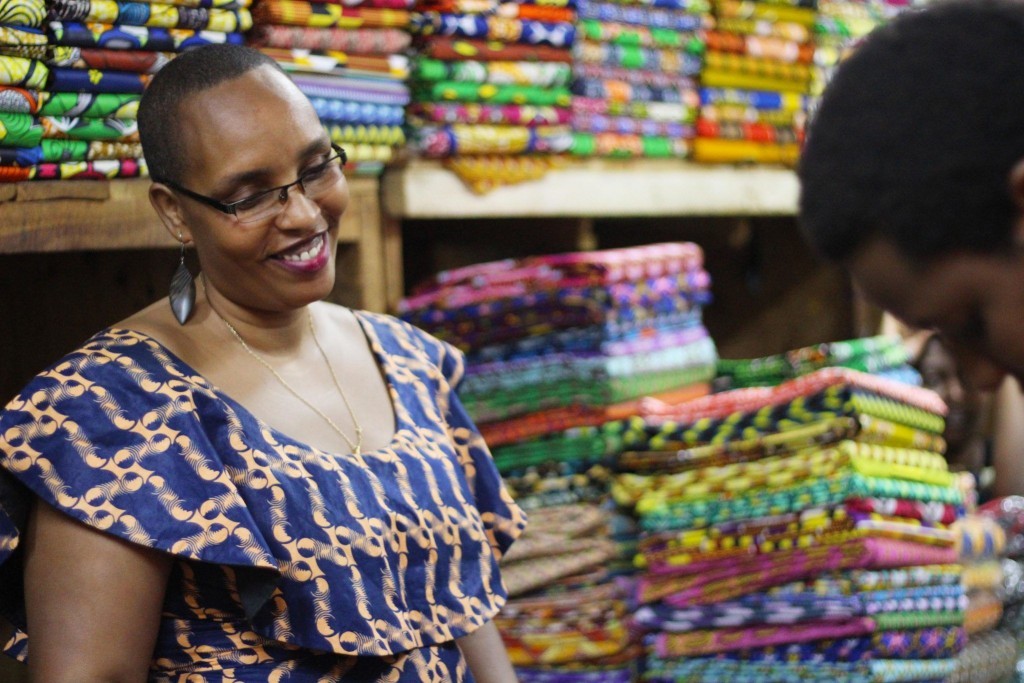
If you’re looking for souvenirs in Kigali, be sure to stop by the Kimironko Market. You can find beautiful and colorful African fabrics there, as well as tailors who will design and create clothes just for you. I spent most of my Saturdays eating fresh passion fruit and boiled eggs at my friend’s stall at the market.
You can go farther off the beaten path to Nyamirambo Women’s Center in Kigali’s Muslim Quarter. These women work to support each other, making exquisite handmade crafts and offering tourists an authentic taste of the area with local tours and Rwandan cooking lessons.
For arts and entertainment, the Root House sponsors some of the best concerts in Kigali, bringing in artists from all over the region most weekends and unplugging for acoustic music sessions every Wednesday. You also can buy local food, beer and liquor at the bar. All of the proceeds go to a foundation that supports street children.
The Inema Arts Center has an incredible gallery and garden. The Kigali center turns into a dance club each Thursday night. Poets gather at “Spoken Word Rwanda” on the last Wednesday of each month, sharing stories and prose about the past and future.
For good eats, Chez Robert in Kigali offers an excellent Rwandan buffet where you can feast on beef (served Rwandan-style) and lovely local vegetables. All meals are accompanied by a tropical fruit dessert.
Also, the popular restaurant Lalibela offers wonderfully spicy Ethiopian cuisine, and the staff treats diners like family.
A trip to Rwanda would not be complete without eating goat brochette (cooked crisp and served on a stick) and chips (french fries with onions and mayo), which you can find at almost any bar. I recommend getting brochette, chips and Skol (a dark Rwandan beer) at the Come Again Bar, a loud and truly charming local haunt in Kigali.
These are just a few of the places you can visit. Rwanda is a beautiful, vibrant and thriving land. You’ll find people there who are kind and welcoming and dedicated to building a better future, to creating a new narrative for the country they love so dearly.
Sophia Neiman is a freelance writer from Baltimore. Beginning this April, she will spend two years volunteering for the Peace Corps in the former Soviet republic of Georgia.
Israeli-Americans Rachel Goldberg-Polin and Jon Polin talked about the pain of losing their 23-year-old son, who was kidnapped and later murdered in the Oct. 7th tragedy.

Rabbi David Wolpe looks at the recent interest in Hollywood productions about King David and why the story is resonating now.

Directed by Johanna Gruenhut, the production is based on of the 1998 novel and 2003 film of the same name.
In "The Future is Peace," Aziz Abu Sarah and Maoz Inon say there is still hope for coexistence between Arabs and Jews.