By Mira E. Tessman
It’s been more than two months since the COVID-19 pandemic completely disrupted life as we knew it, and our patience may be waning. Uncertainty about the future has put us all on an emotional rollercoaster and tested our abilities to adapt to an unprecedented way of living.
Mindfulness and meditation are both practices that can help us ride the waves of our emotions with more skill and greater ease, and help us become more adaptable and resilient.
Mindfulness means being aware of what we are experiencing while we are experiencing it in each unfolding moment.
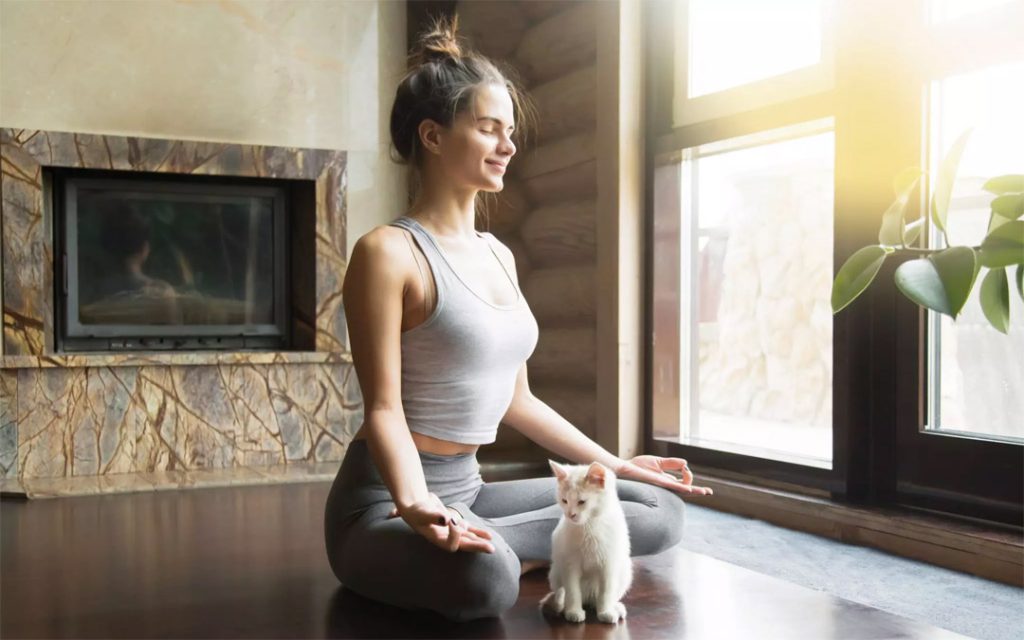
Meditation is practicing being mindful. Mindfulness is a skill we can cultivate, and meditation provides the opportunity to practice, the same way piano lessons prepare us for playing a concerto.
Mindfulness invites us to meet and accept ourselves exactly where we are with kindness and compassion. All too often we judge ourselves, blame others and overthink the difficulties we are having, and this only creates more inner struggle. It is more skillful to feel our emotions as sensations in our body rather than think about the situations we are facing.
The RAIN approach is a mindfulness tool to help us manage challenging emotions. It is an acronym for Recognize, Accept/Allow, Investigate and Nurture, and can be explained as follows:
• Recognize is the awareness that an emotion is being experienced. Give it a name that describes the emotion. For example, frustration, sadness, worry, unsettled, overwhelmed;
• Accept/Allow means permitting yourself to experience the emotion without trying to change, repress or react to it. Instead, breathe with the emotion;
• Investigate by getting curious about how the emotion is experienced in your body without thinking about it or trying to change it.
• Nurture yourself by bringing compassion, kindness and tenderness to the vulnerable part of you. Soothe and comfort this vulnerable part with messages of care, love and hope in the same way you might comfort a hurt child.
RAIN helps us to better tolerate emotions so they can naturally pass over us like clouds in the sky and increase our capacities to accept our experiences as they are in any given moment. After a rainstorm, we might have a clearer, brighter view of our unique situations and gain insight into a deeper meaning.
While there are many things in life that we have no control over, trying to resist or avoid the situation only makes us feel worse. When we can’t change our situations we are facing, we can widen and brighten our perspective and change how we relate to challenging circumstances.
In the words of author and motivational speaker Danielle LaPorte, “You can’t always choose what happens to you, but you can choose how you feel about it.”

Mira E. Tessman, MA, LCPC, is a local psychotherapist in private practice, a meditation and yoga teacher. She offers a free weekly meditation and yoga class to support us during this challenging time. For information, visit Mira@wellspringhealingarts.org

What does it mean to be fully present with each other and the sacred, asks Maryland-born cultural anthropologist Alanna E. Cooper.

As millions mourn the passing of Stephen Colbert from the airwaves, Michael Olesker looks back on the "institution" of late-night TV.

As he gets ready to leave for California, Rabbi Daniel Cotzin Burg looks back on his time in Baltimore and his 10 years writing for Jmore.