
The Jewish Museum of Maryland will shed light on the little-known history of Iraq’s once flourishing Jewish community.
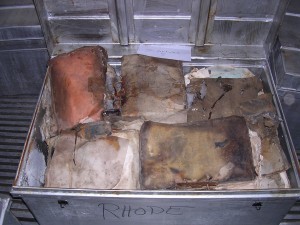
In 2003, U.S. soldiers unearthed a treasure trove of artifacts from a flooded basement in Iraqi President Saddam Hussein’s intelligence headquarters. The dramatic discovery — the stuff of Hollywood movies — brought to light the rich and sometimes tragic history of Iraqi Jewry.
Selected items from thousands of recovered materials comprise the exhibition, “Discovery and Recovery: Preserving Iraqi Jewish Heritage,” at the Jewish Museum of Maryland from Oct. 15 to Jan. 15.
The items on display range from a 16th-century Hebrew Bible with commentaries to a 1917 letter to the chief rabbi of Iraq requesting Jewish prisoners to attend Rosh Hashanah services.
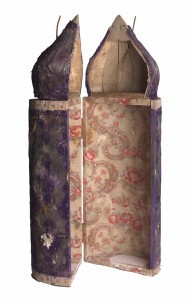
Other items include a handwritten Haggadah from the 1920s, a cylindrical wooden tik (Torah scroll) and a recipe for zengoula, an Iraqi Chanukah dish. Taken together, the exhibition is a sobering yet joyful look at what was once a thriving Jewish community.
“Iraq is where the Talmud was developed and where scholars and commentators flourished from the sixth century on,” says Marvin D. Pinkert, executive director of the JMM. “Through the 1940s, the [Iraqi] Jewish schools were considered the best. Christians, Jews and Muslims all attended together.”
Iraqi Jewry dates back more than 2,500 years to ancient Babylonia, making it one of the world’s oldest Jewish communities. Sadly, fewer than 10 Jews remain in Iraq today. The materials in this exhibition form a living, tangible link to a once flourishing community that now exists only in the Diaspora.
The exhibition also features a short film showing the heroic efforts to save the water-logged materials that were freeze-dried and then airlifted to the United States on military transports.
“Curators from the National Archives flew into Iraq while bullets were flying to preserve these materials,” says Pinkert, former director of the National Archives Experience during the time the Iraqi artifacts were being restored.
On Dec. 12, the JMM will host “Iraqi Jewish Heritage Day: From Tik to Talmud,” featuring Iraqi food, music and activities for children.
“Although this exhibition does have a sad side, it demonstrates that Iraqi Jewish culture will not be erased,” says Pinkert.
For information, visit jewishmuseummd.org.
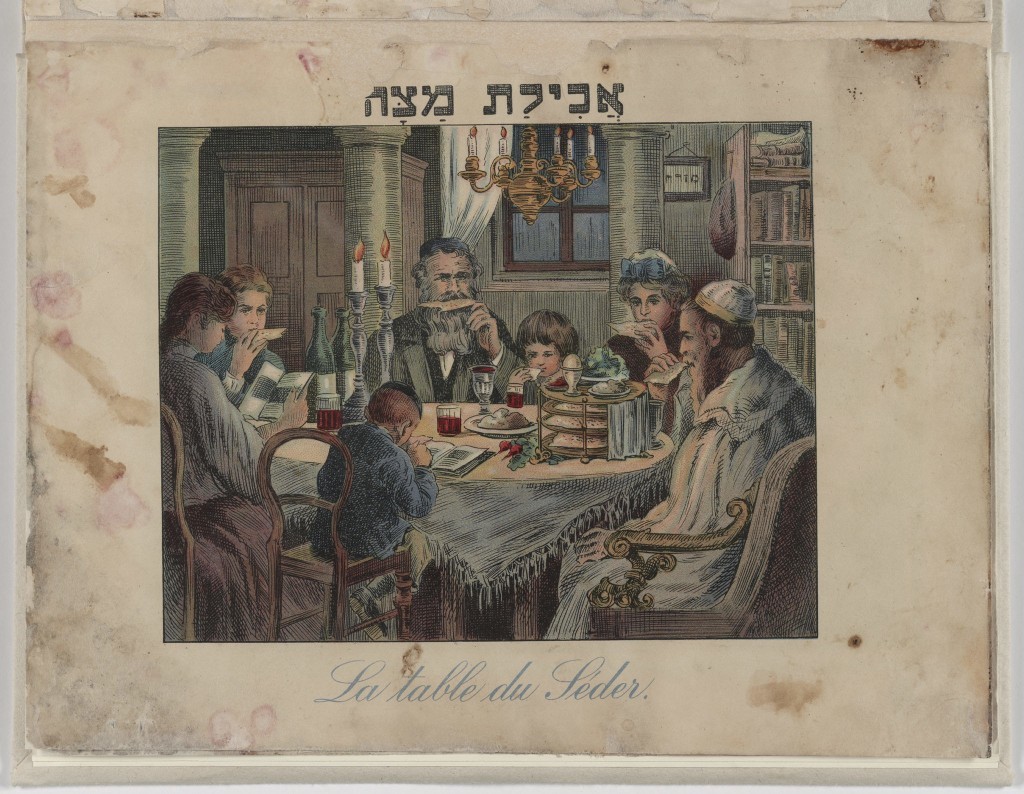
Top photo: Passover Haggadah from Vienna, 1930. This colorfully illustrated French and Hebrew Haggadah was published in Vienna. Caption on image: “Eating Matzah.” (Photo courtesy Jewish Museum of Maryland)
[box type=”shadow”]Read the complete Fall Arts Preview:
- Cultural Happenings of the Season Around Town
- Reclaiming Babylon: The Jewish Museum of Maryland will shed light on the little-known history of Iraq’s once flourishing Jewish community.
- Getting ‘Intimate’: Everyman Theatre play explores the complexities of a forbidden romance.
- A Plucky Fella: Bela Fleck has revolutionized the banjo as we know it.
- Screen Saver: A new book by photojournalist Amy Davis revisits Baltimore’s grand movie theaters.
- For more events listings, check out our online calendar at jmoreliving.com/events.
[/box]

Enjoy some live music this fall, with a range of performances from The Ultimate Prince Tribute to Journey, classical and more.

For Aja Cohen, founder and chief creative officer of Transcendent Active, a modest activewear brand, the company is a reflection of her entire journey -- fashion, faith, movement, motherhood and identity.

Emma Snyder, owner of The Ivy Bookshop, offers recommendations for must-read titles for adults and children.

Marc Terrill talks with Ken Muskat, President for Scenic Group USA and Latin America, about the evolution of the cruise industry, why curated cruise and yacht experiences have become the fastest growing segment of the leisure market, and more.